Reliable Pickering General Contractor for Kitchens, Bathrooms, and Basements
Dependable General Contractor: Making Dreams Into Reality
A reliable general contractor is indispensable in turning architectural visions into physical structures. By managing timelines and budgets, they make sure projects advance smoothly. Their expertise supports a collaborative environment, vital for reducing risks. However, not all contractors are identical. Understanding how to choose the right one is fundamental for any successful project. What essential qualities should one evaluate, and how can they determine the overall outcome?
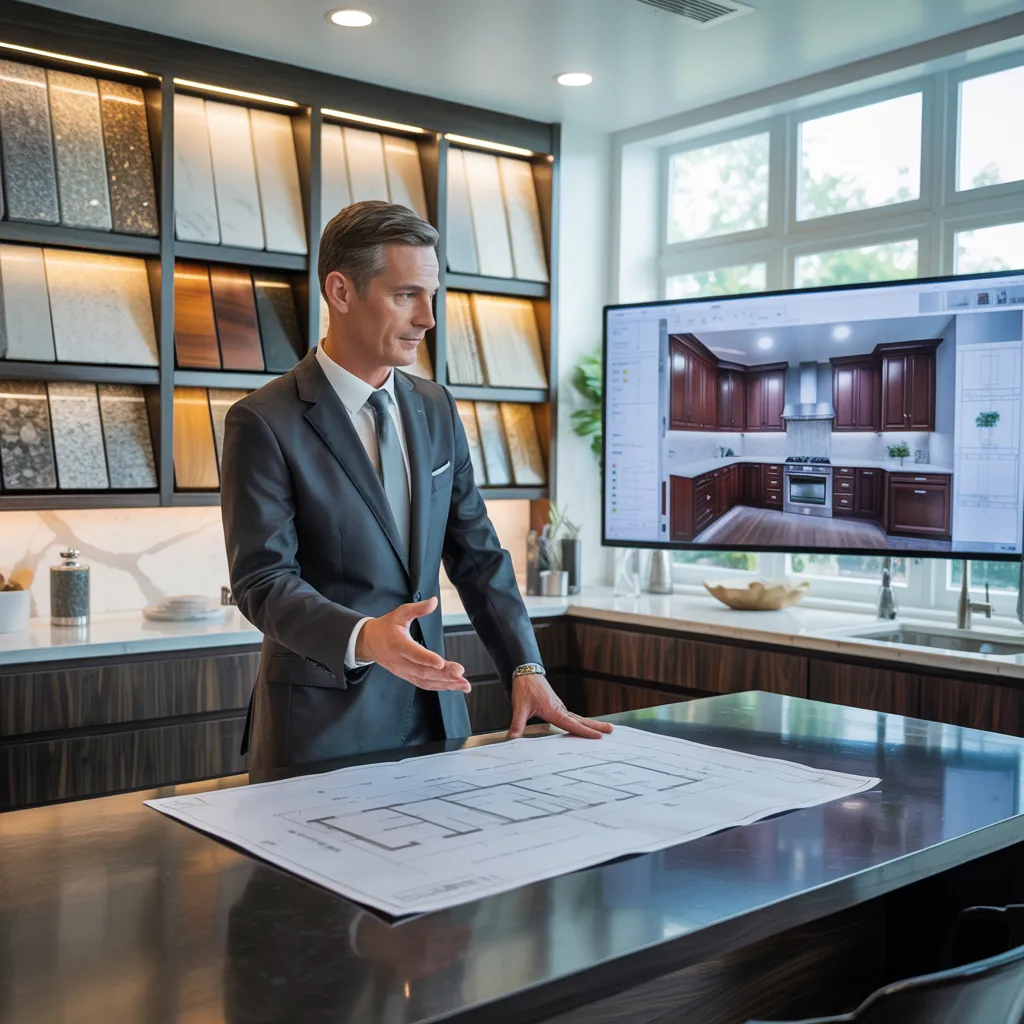
How to Identify a Dependable General Contractor?
What approach can one apply to evaluate a general contractor's reliability? Reviewing a contractor's track record remains crucial. An effective technique involves seeking referrals from loved ones and internet-based reviews, which furnish information regarding past performance and client satisfaction. Also, checking proper licensing and insurance confirms that the contractor complies with sector guidelines and protects against potential liabilities. Reviewing previous work, whether through portfolio samples or site visits, enables you to measure the quality of their construction expertise.
Furthermore, getting multiple estimates allows for evaluation of pricing and project timelines, revealing any discrepancies that may suggest unreliability. Effective communication is an additional critical factor; a trustworthy builder should be responsive and transparent in their interactions. Finally, reviewing references can offer valuable information about a contractor's work ethic and dependability. By adhering to these steps, one can make well-researched choices when selecting a construction contractor for construction projects.
Essential Characteristics of a Excellent General Contractor
An remarkable building professional exemplifies essential qualities that establish successful project outcomes. Robust interpersonal expertise facilitate clear interactions with end-users, trade specialists, and distributors, while demonstrated expertise in project coordination assures efficient and cost-effective execution. These attributes are indispensable in transforming a vision into reality.
Powerful Interpersonal Strengths
While solid project management is essential for a general contractor, strong communication skills often serve as the foundation for successful collaborations. These competencies enable a contractor to clearly convey project objectives, guaranteeing that all team members and stakeholders are in sync. Effective communication builds trust, allowing for transparent discussions concerning timelines, budgets, and changes. A good general contractor actively listens clients, subcontractors, and suppliers, addressing concerns promptly and adjusting to feedback. This two-way dialogue not only enhances problem-solving but also cultivates a positive working environment. Additionally, clear communication minimizes misunderstandings, which can lead to costly delays or errors. Ultimately, robust communication abilities empower a general contractor to navigate challenges effectively, ensuring that projects progress smoothly from inception to completion.
Demonstrated Project Management Expertise
Exhibiting verified project management experience is important for any general contractor striving toward success. Effective project management includes careful planning, resource allocation, and timeline adherence. A seasoned contractor illustrates the ability to coordinate various teams, ensuring architects, engineers, and subcontractors cooperate effectively. Moreover, they skillfully handle challenges, utilizing problem-solving skills to keep projects on track and within budget. Their experience enables them to foresee potential issues, minimizing risks before they grow. In addition, strong project management fosters transparency, allowing clients to stay informed during the construction process. By prioritizing quality control and following safety standards, a general contractor with verified experience delivers outstanding results additional information and builds long-lasting relationships grounded in trust and reliability.
The Advantages of Hiring a Trustworthy General Contractor
Engaging a reliable building contractor delivers considerable perks in any construction project. Their skills and track record guarantee that activities are executed to high standards, while also boosting time and cost efficiency. This blend allows individuals and organizations to focus on their objectives without the stress of handling logistics.
Knowledge And Experience
Bringing on a experienced general contractor delivers a vast amount of skill and practical experience to any construction assignment. Their broad familiarity with building codes, regulations, and industry standards assures that every aspect of the construction workflow is adherent and efficient. Expert contractors have honed their skills through countless projects, allowing them to foresee potential problems and implement effective solutions. Their well-established partnerships with subcontractors and suppliers also boost the quality of both work and materials. Furthermore, a trusted general contractor demonstrates strong project management skills, handling timelines, budgets, and resources smoothly. This expertise not only lowers risks but also encourages a collaborative atmosphere, changing a client’s vision into a tangible reality while ensuring high standards throughout the entire construction journey.
Time and Expense Enhancement
A dependable general contractor considerably boosts the efficiency of both time and cost in construction projects. By managing different subcontractors and suppliers, they streamline workflows, cut down delays, and ensure tasks are done promptly. Because of established industry relationships, they often secure better pricing on materials and labor, cutting down total project costs. Moreover, a experienced contractor actively detects potential problems, enabling prompt solutions that avoid expensive delays. With their project management expertise, they ensure effective resource allocation so that labor and materials are utilized efficiently. In the end, employing a trustworthy general contractor speeds up project timelines while protecting the budget, giving clients peace of mind and assurance in their investment.
Simplifying Your Project With a General Contractor
Successful project execution often copyrights on the expertise of a general contractor. By acting as the central point person in the construction operation, a general contractor supervises various dimensions of the project, maintaining seamless communication among subcontractors, suppliers, and clients. This integrated approach limits delays and reduces the risk of miscommunication, which can lead to costly errors.
A general contractor streamlines the process by establishing well-defined timelines and schedules, allowing all stakeholders to stay aligned with project milestones. They also have the knowledge to anticipate obstacles, facilitating preventative problem-solving. Additionally, they manage permits and inspections, alleviating the burden on customers and guaranteeing compliance with local regulations.
In the final analysis, the engagement of a seasoned general contractor transforms complex projects into achievable objectives, enabling homeowners and developers to focus on their vision while enjoying peace of mind throughout the construction process. This partnership fosters a more efficient and successful project outcome.
Top 5 Missteps to Circumvent When Picking a Contractor
How can homeowners guarantee they choose the right contractor for their project? Avoiding common pitfalls is essential. First, homeowners should avoid choosing a contractor solely based on the lowest bid. Quality often comes at a price, and a low estimate may signal inadequate experience or hidden costs. Second, failing to check references can lead to selecting someone untrustworthy or unreliable. Third, neglecting to verify licenses and insurance can expose homeowners to legal and financial liabilities. Fourth, not discussing project timelines in detail may result in unexpected delays and frustrations. Ultimately, homeowners often overlook the importance of clear dialogue. A contractor who doesn't listen to concerns or provide updates can create misunderstandings. By steering clear of these mistakes, homeowners can enhance their chances of selecting a contractor who will effectively bring their vision to life.
Important Questions to Ask Prior to Finalizing a Deal?
What essential questions should homeowners consider before signing a contract with a service provider? Initially, they should inquire about the service provider's licensing and coverage status. Proper credentials protect homeowners from potential liabilities. Subsequently, requesting references and copyrightining past projects can provide insight into the contractor's dependability and workmanship. Homeowners should also discuss timelines—understanding the projected start and completion dates is essential for planning.
Furthermore, explaining payment terms is crucial; homeowners must know the deposit required and the timeline for follow-up payments. Additionally, homeowners should ask what will happen if unexpected issues arise during the project, such as change orders and how they will be managed. Finally, understanding warranty conditions on both workmanship and supplies can provide reassurance. By tackling these questions, homeowners can make informed decisions and establish a solid foundation for their work.
Developing a Permanent Relationship With Your General Contractor
Developing a positive relationship with a general contractor can greatly enhance the overall outcome of a home construction or renovation project. Effective communication is the essential element of this bond, fostering trust and transparency. Homeowners should make a priority of forthright communication, reviewing expectations, project schedules, and budget constraints early in the journey.
Regular check-ins and updates can help resolve issues promptly, guaranteeing that both parties remain aligned throughout the project. Additionally, demonstrating gratitude for the contractor's expertise can foster mutual respect and encourage a collaborative atmosphere.
Adaptability is also essential; understanding that challenges may arise can pave the way for problem-solving and flexibility. A positive rapport can result in better work, as contractors are more likely to dedicate additional effort when they sense appreciation. In the end, a lasting partnership with a general contractor not only contributes to a successful project but can also create opportunities for future collaborations.
Frequently Requested Questions
How Do General Contractors Deal With Unforeseen Project Changes?
General contractors handle unexpected project changes by evaluating the situation, informing relevant parties, modifying schedules and financial allocations, and deploying corrective measures. Adaptability and analytical abilities are essential in ensuring projects stay on track despite unexpected obstacles.
What Styles of Projects Do Construction Companies Typically Administer?
General contractors regularly handle multiple kinds of jobs, such as residential renovations, commercial construction, public works projects, and unique implementations. Their expertise encompasses coordination, budgeting, and planning timelines, ensuring successful completion within diverse construction sectors and intricacies.
In What Way Do Payment Schedules Operate With a Contractor?
Payment terms with a general contractor typically involve upfront deposits, followed by progress payments connected to project milestones. Final payments happen upon project completion, confirming both parties stay aligned on budgetary obligations throughout the construction process.
Can a General Contractor Assist With licenses and compliance requirements?
A general contractor can definitely assist with permits and regulations. They generally address local building codes, submit required documents, and maintain compliance with laws, reducing complexity for clients and preventing potential legal problems.
What comes about if the Project overruns the Initial Budget?
If a undertaking exceeds the original cost estimate, the builder usually conveys the reasons for the increase. They may propose modifications, seek client consent, and investigate budget-reducing options to maintain the work on schedule.